
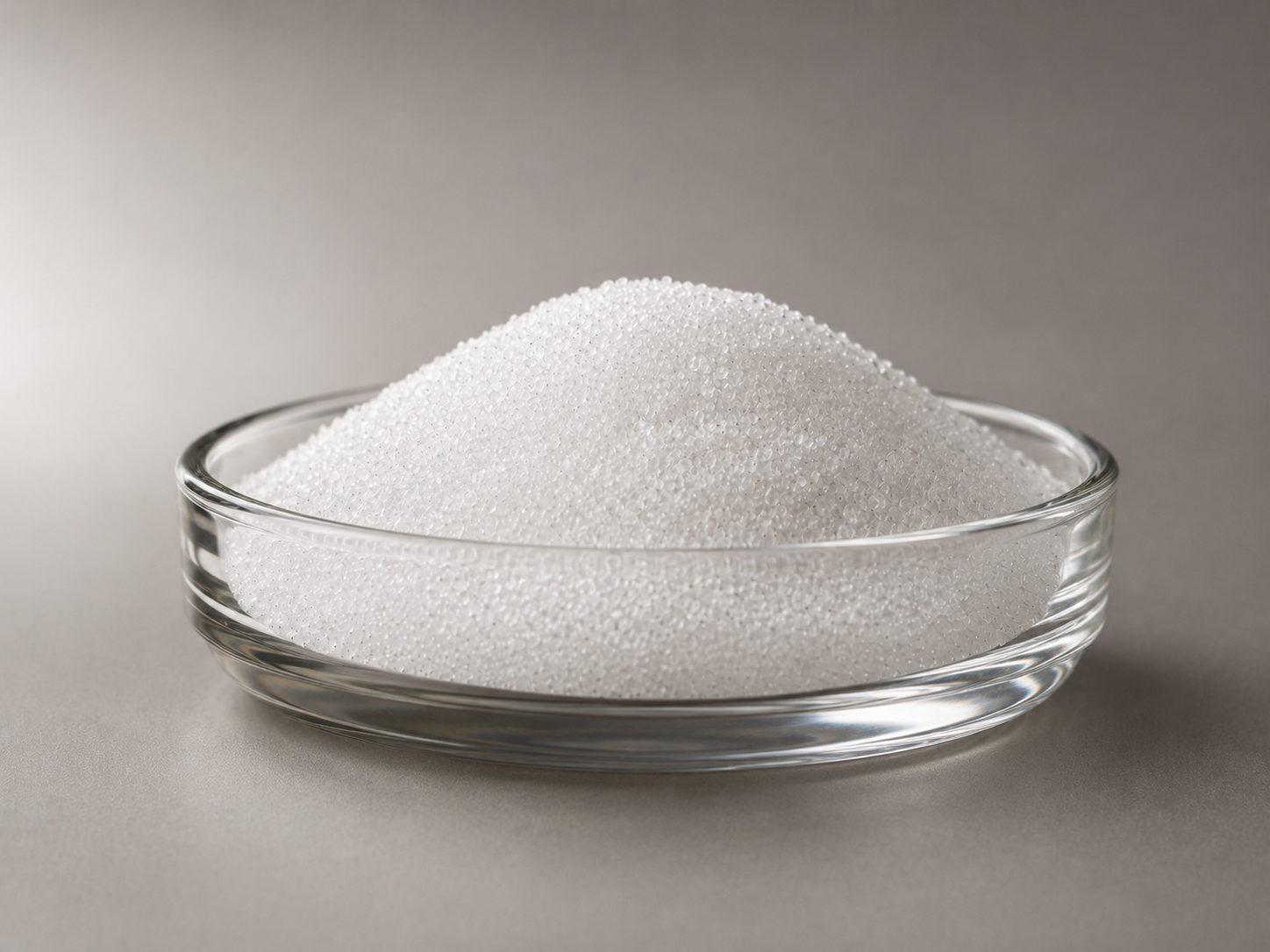
Dipotassium phosphate (DKP): a highly soluble buffer and phosphorus-potassium source for food, industrial and agricultural uses
Dipotassium phosphate (DKP, K₂HPO₄), also called dipotassium hydrogen phosphate or dibasic potassium phosphate, is a highly water-soluble salt that gives a mildly alkaline solution (pH about 9) and strong buffering capacity. It is widely used as a buffering agent and stabilizer in processed foods, a corrosion inhibitor in engine coolants, a nutrient in fermentation, and a phosphorus-potassium source in specialty fertilizers. We supply industrial, food and pharmaceutical grades, and customized grades on request.
Core advantages of the product
Strong buffering and stabilizing performance
- Mildly alkaline in solution (pH about 9 in a 1% solution), giving dependable pH control in neutral-to-basic systems.
- Helps stabilize proteins and prevent curdling or feathering in products such as coffee creamers, and supports emulsification in processed cheese.
Highly soluble and easy to dose
- Freely soluble in water (about 149 g per 100 mL at 20 °C), giving clear, colourless solutions.
- Supplied as white crystals, granules or powder, matched to your dissolving and dosing equipment.
Rich in phosphorus and potassium
- About 40–41% P₂O₅ and 53–54% K₂O in the anhydrous form, a concentrated phosphorus-potassium source for specialty fertilizers and NPK blending.
Multiple grades for multiple industries
- Industrial, food and pharmaceutical grades, with COA, SDS and TDS provided with each shipment.
- Pairs with monopotassium phosphate (MKP) when a balanced phosphate buffer is needed.
Available forms
| Form | Formula | Notes |
|---|---|---|
| Anhydrous | K₂HPO₄ | Highest nutrient content (about 40% P₂O₅ and 53% K₂O); white granules or powder |
| Trihydrate | K₂HPO₄·3H₂O | White crystals; lower nutrient content per kg (typically ≥ 30.5% P₂O₅ and ≥ 40.5% K₂O) |
Parameters (typical, by grade)
| Test Item | Industrial grade (HG/T 4510-2013) | Food grade (GB 25561-2010) |
|---|---|---|
| Dipotassium phosphate (K₂HPO₄) | ≥ 98.0% | ≥ 98.0% (dried basis) |
| Phosphorus pentoxide (P₂O₅), anhydrous | ≥ 40.0% | 40.3–41.5% |
| Potassium oxide (K₂O), anhydrous | ≥ 53.0% | – |
| pH (1% solution) | about 9 | 8.7–9.4 |
| Water insoluble | ≤ 0.02% | ≤ 0.2% |
| Loss on drying (105 °C, 4 h) | – | ≤ 2.0% |
| Fluoride (as F) | – | ≤ 10 mg/kg |
| Arsenic (as As) | – | ≤ 3 mg/kg |
| Heavy metals (as Pb) | – | ≤ 10 mg/kg |
For the EU market, E340(ii) specifications require arsenic, lead, cadmium and mercury to be no more than 1 mg/kg each. Pharmaceutical grade (Ph. Eur. / USP) is available on request.
Basic information
| Item | Data |
|---|---|
| Chemical name | Dipotassium phosphate (dipotassium hydrogen phosphate) |
| Formula | K₂HPO₄ (trihydrate: K₂HPO₄·3H₂O) |
| CAS No. | 7758-11-4 (trihydrate: 16788-57-1) |
| EC No. | 231-834-5 |
| E number | E340(ii) |
| Molecular weight | 174.18 (trihydrate: 228.22) |
| Appearance | White crystals, granules or powder; hygroscopic |
| Solubility | Freely soluble in water; practically insoluble in ethanol |
| pH (1% solution) | about 9 |
| HS code | 2835.24 |
Application field
- Food and beverage: buffering agent and pH stabilizer, protein stabilizer in coffee creamers and non-dairy creamers, emulsifying salt in processed cheese, sequestrant, yeast and fermentation nutrient.
- Pharmaceuticals and laboratory: buffer, mineral supplement and phosphate source for culture media and phosphate buffer solutions.
- Industrial: buffering agent and corrosion inhibitor in engine coolants and antifreeze, boiler water treatment, paper processing and a raw material for potassium pyrophosphate.
- Agriculture: phosphorus-potassium source for specialty fertilizers and a raw material for NPK blends.
Packaging, Storage and Safety Instructions
- Packaging: 25 kg bags with a polyethylene inner liner and a polypropylene woven outer bag, or customized on request.
- Storage: DKP absorbs moisture readily. Keep it sealed in a cool, dry, well-ventilated warehouse and reseal opened bags immediately.
- Handling: may irritate eyes, skin and the respiratory system; avoid dust, wear suitable protective equipment, and keep away from strong oxidizing agents. Refer to the Safety Data Sheet (SDS).
- Transport: not classified as dangerous goods for transport.
Why choose us?
- Factory-backed supply: three production bases and export experience support stable, repeat supply.
- Grades to match your market: industrial, food and pharmaceutical grades, with specifications confirmed against your application.
- Complete documents: COA, SDS and TDS are provided with each shipment.
FAQ
Q: What is the difference between DKP and MKP?
A: MKP (monopotassium phosphate, KH₂PO₄) is mildly acidic, with a pH of about 4.5, and is the standard phosphorus-potassium source for water-soluble fertilizers. DKP (K₂HPO₄) is mildly alkaline, with a pH of about 9, and is mainly used as a buffer and stabilizer. The two are often combined to make phosphate buffers.
Q: Which grade should I choose?
A: Choose industrial grade for coolants, water treatment and technical uses, food grade for food and beverage processing, and pharmaceutical grade for pharmaceutical and laboratory use. Tell us your application and target market, and we will recommend the grade and the documents you need.
Q: Why is DKP used in coffee creamers and processed cheese?
A: Its buffering action keeps the pH stable and stabilizes the protein layer, which helps prevent curdling or feathering when a creamer meets hot, acidic coffee. In processed cheese it helps buffer pH and promotes emulsification.
Q: How should DKP be stored?
A: DKP is very hygroscopic. Keep bags sealed, store them in a cool and dry warehouse, and avoid opening them in humid conditions to prevent caking.
Q: What is the difference between anhydrous and trihydrate DKP?
A: Anhydrous DKP (K₂HPO₄) has the highest phosphorus and potassium content per kg. The trihydrate (K₂HPO₄·3H₂O) contains crystal water, so its nutrient content per kg is lower. Tell us the form your process requires.
Q: Can I get samples and technical documents?
A: Yes. Send us the grade, form and packaging you need, and we will provide samples, COA, TDS and SDS on request.
Request a quotation and samples
Tell us the grade, form, quantity and destination port. Our team will reply within 24 hours with specifications and an export quotation.